
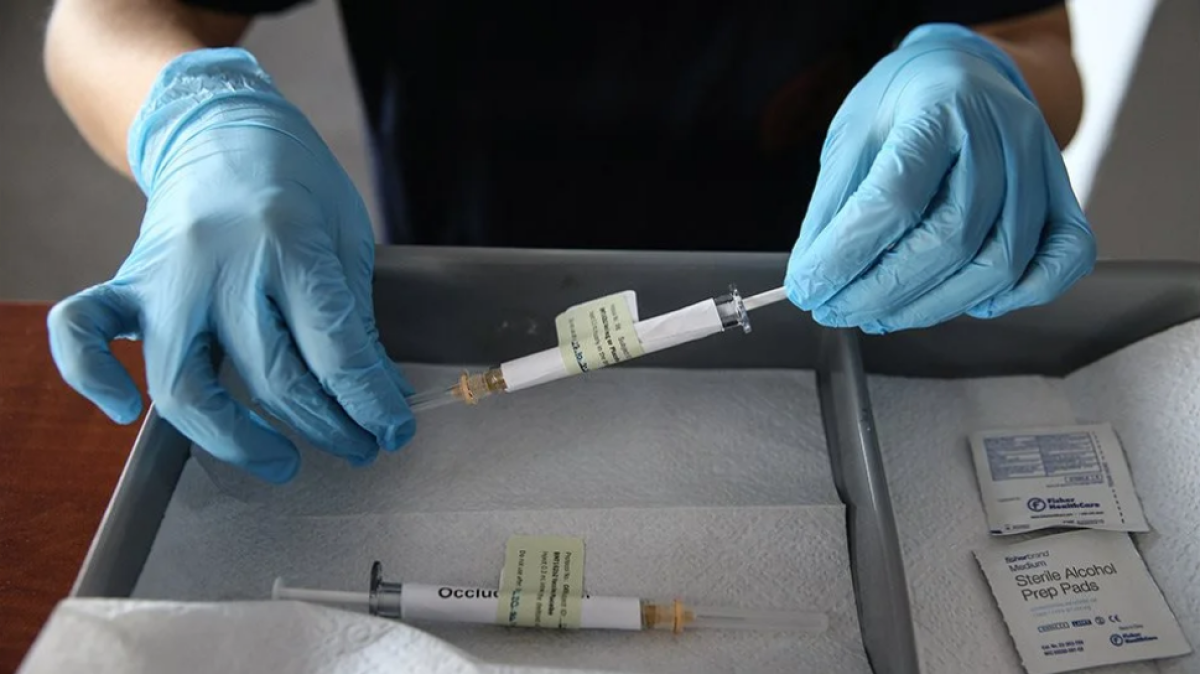

Νέα δεδομένα στη στρατηγική εμβολιασμού κατά της COVID-19 παρουσιάζει η Σουηδία, καθώς οι υγειονομικές αρχές της χώρας έχουν περιορίσει τις γενικές συστάσεις και εστιάζουν πλέον περισσότερο στις ομάδες που αντιμετωπίζουν αυξημένο κίνδυνο σοβαρής νόσησης. Οι αλλαγές επαναφέρουν στο προσκήνιο τη συζήτηση γύρω από τη χρήση των εμβολίων mRNA και τον τρόπο με τον οποίο αξιολογείται η ανάγκη για αναμνηστικές δόσεις.
Sweden opts for coronavirus protein vaccine instead of mRNA
From the 2027/2028 season onwards, Sweden will use only a protein-based coronavirus vaccine for its national vaccination campaign. It is the first country in the world to say goodbye to the mRNA vaccines.
Difference in technology
Nuvaxovid is a classic protein vaccine. It contains a ready-made piece of the virus (the spike protein), produced using recombinant technology (a molecular method in which DNA from different organisms is combined in the laboratory and placed into a host cell (such as a bacterium or yeast) to allow it to multiply or produce proteins) and provided with an adjuvant (an excipient that stimulates and strengthens the body’s immune response to the antigen, so that the vaccine works better). The body is presented with this protein directly to build an immune response. This differs from mRNA vaccines (such as Comirnaty from Pfizer/BioNTech), where the body’s cells must produce the spike protein themselves after receiving the mRNA instruction. This process carries the risk of autoimmune reactions, especially because these products do not remain at the injection site but can spread throughout the body. Furthermore, the quantity and duration of spike protein production are not defined in the mRNA technique. In addition, the lipid coating of the mRNA vaccines is very reactive. All in all, this leads to a disproportionate number of side effects, some very serious and resulting in death (1-3).
Sweden chose its own path during the coronavirus years by not enforcing lockdowns or school closures. Although there was much criticism of this at the time, the Swedish approach was later appreciated ( De Morgen, 25 December 2023 ).
With the decision to phase out coronavirus mRNA vaccines, Sweden appears set to play a pioneering role once again. The Doctors’ Collective, together with European partners, has been advocating for the cessation of mRNA vaccinations for quite some time.
Sources: Sanofi press release (April 21, 2026), LäkemedelsVärlden report and Läkemedelsmarknaden report regarding the tender.References
Cappelletti-Montano B, Demuru G, Laconi E and Musio M (2023) A comparative analysis on serious adverse events reported for COVID-19 vaccines in adolescents and young adults. Front. Public Health 11:1145645. doi: 10.3389/fpubh.2023.1145645
Szebeni, J. Expanded Spectrum and Increased Incidence of Adverse Events Linked to COVID-19 Genetic Vaccines: New Concepts on Prophylactic Immuno-Gene Therapy, Iatrogenic Orphan Disease, and Platform-Inherent Challenges. Pharmaceutics 2025, 17, 450.
Fraiman J, Erviti J, Jones M, Greenland S, Whelan P, Kaplan RM, Doshi P. Serious adverse events of special interest following mRNA COVID-19 vaccination in randomized trials in adults. Vaccine. 2022 Sep 22;40(40):5798-5805. doi: 10.1016/j.vaccine.2022.08.036. Epub 2022 Aug 31. PMID: 36055877; PMCID: PMC9428332.
https://t.co/4i78xL9zA0— Wafik S. El-Deiry, MD, PhD, FACP (@weldeiry) October 26, 2026
Ποιες ομάδες αφορά η Σουηδική στρατηγική
Σύμφωνα με τις επίσημες οδηγίες της σουηδικής Υπηρεσίας Δημόσιας Υγείας, από την 1η Σεπτεμβρίου 2025 ο ετήσιος εμβολιασμός κατά της COVID-19 συστήνεται κυρίως σε άτομα ηλικίας 75 ετών και άνω, σε ενήλικες με ανοσοκαταστολή, καθώς και σε άτομα ηλικίας 50 έως 74 ετών που έχουν συγκεκριμένα υποκείμενα νοσήματα.
Η προσέγγιση αυτή αντανακλά την εκτίμηση των αρχών ότι ο κίνδυνος σοβαρής νόσησης έχει μεταβληθεί σε σχέση με τα πρώτα χρόνια της πανδημίας. Παράλληλα, επιδιώκεται να δοθεί προτεραιότητα στους ανθρώπους που είναι περισσότερο ευάλωτοι στις επιπλοκές της λοίμωξης.
Τι ισχύει για τα εμβόλια mRNA
Παρά τους ισχυρισμούς περί καθολικής απαγόρευσης, οι διαθέσιμες επίσημες πληροφορίες δεν επιβεβαιώνουν ότι η Σουηδία έχει απαγορεύσει συνολικά τα εμβόλια mRNA κατά της COVID-19. Αντίθετα, το Comirnaty της Pfizer/BioNTech εξακολουθεί να αναφέρεται από τις σουηδικές αρχές ως εμβόλιο που χρησιμοποιείται στη χώρα.
Η αλλαγή αφορά κυρίως το ποιες ομάδες καλούνται να εμβολιαστούν και όχι μια γενική απόφαση κατάργησης της συγκεκριμένης τεχνολογίας. Επομένως, η διάκριση ανάμεσα στον περιορισμό των συστάσεων και στην πλήρη απαγόρευση είναι κρίσιμη για την ακριβή ενημέρωση του κοινού.
Η συζήτηση για την επόμενη ημέρα
Η εξέλιξη αναδεικνύει το πόσο σημαντικό είναι οι πολιτικές δημόσιας υγείας να προσαρμόζονται στα διαθέσιμα επιστημονικά δεδομένα, στην ηλικία των πολιτών και στους παράγοντες κινδύνου που συνδέονται με τη σοβαρή COVID-19.
Το ενδιαφέρον στρέφεται πλέον στον τρόπο με τον οποίο θα εξελιχθούν οι συστάσεις των ευρωπαϊκών χωρών τα επόμενα χρόνια, καθώς οι αρχές επανεκτιμούν τις ανάγκες εμβολιασμού μετά την οξεία φάση της πανδημίας.
Σημείωση: Με βάση τις επίσημες σουηδικές οδηγίες που εξετάστηκαν, δεν τεκμηριώνεται ο ισχυρισμός ότι η Σουηδία έγινε η πρώτη χώρα παγκοσμίως που απαγόρευσε τα εμβόλια mRNA κατά της COVID-19.


Κάντε like στη σελίδα μας στο facebook για να μαθαίνετε όλα τα νέα